Everything You Need to Know About Applying Linseed Oil Paint
System
SEEDS · Linseed oil paint
Linseed oil protects wood differently from conventional paint.
Modern paint lays a film on the surface of the wood. Linseed oil soaks deep into it. That single difference changes how the wood ages, and how you maintain it.
01
Soak in, rather than cover up
Two opposite ways of meeting the wood.
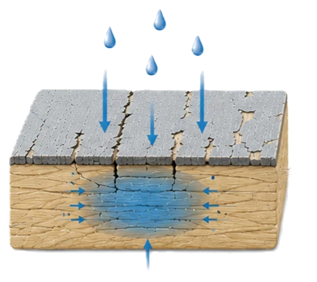
Conventional paint
Water seeps in and stays trapped
A film on the surface
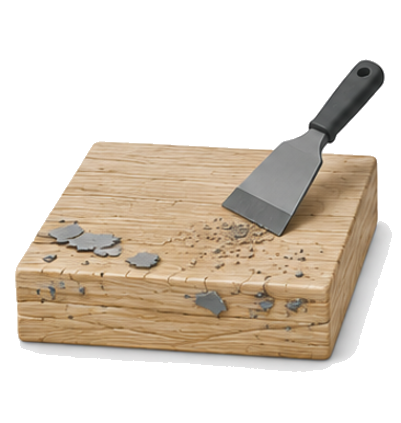
Paint forms a sealed film laid over the wood. As soon as a microcrack lets moisture through, it stays trapped underneath: the film blisters, then flakes.
1
Water seeps in
Through cracks or damaged areas, water penetrates the wood.
2
Water spreads by capillarity
It moves through the fibres, as in a sponge.
3
Moisture stays trapped
The intact paint acts as a barrier: water can no longer evaporate.
4
The wood deteriorates
Trapped moisture swells the wood, cracks and flakes the paint.
In short
Water gets in, stays trapped, then the paint flakes off.
What you see on your shutter
Flaking, blisters, cracks: signs of trapped water.
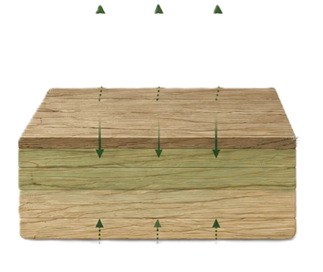
SEEDS Linseed Oil
The wood breathes, nothing gets trapped
Deep impregnation
The oil penetrates and saturates the fibres instead of coating the wood. Microporous, it lets water vapour escape while staying impervious to rain: no barrier left to blister.
1
The oil penetrates
The oil penetrates the wood and nourishes it deeply.
2
Water vapour escapes
Water vapour circulates through the fibres and is released.
3
Moisture is not trapped
The wood stays permeable: vapour passes through and escapes.
4
The wood is protected and lasts
With no surface film, the wood does not blister or flake.
In short
The oil penetrates, the wood breathes, nothing gets trapped.
What you see on your shutter
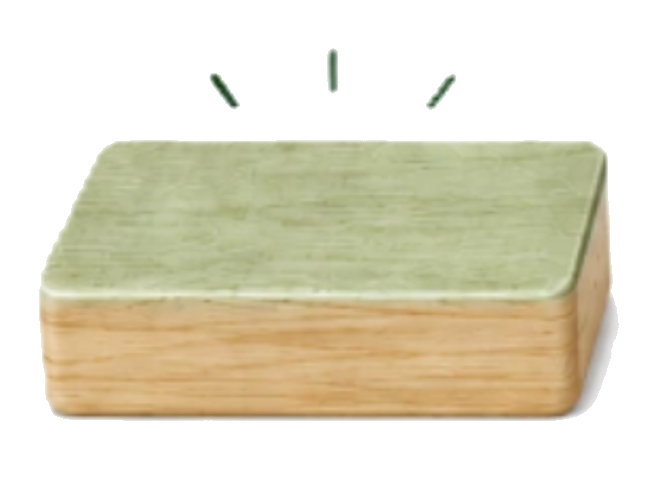
A uniform wood, with no flaking: it breathes and lasts.
02
Controlled ageing, upkeep without starting over
It is over time, and at maintenance, that the difference shows.
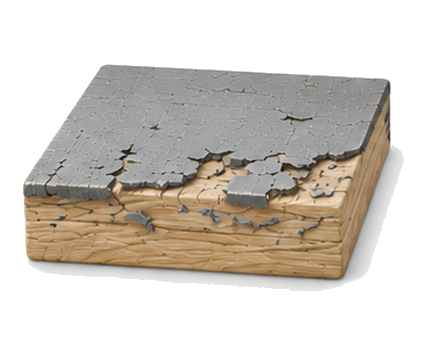
Conventional paint
Strip and sand back to bare wood
Repairing means starting over
As it ages, the film cracks and flakes. To repair it, you have to strip or sand back to bare wood, then repaint the whole surface.
1
Damaged film
The paint cracks, blisters and flakes.
2
Strip or sand
Remove the old paint completely, back to bare wood.
3
Bare wood
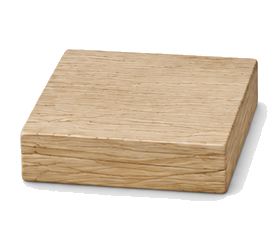
The wood is bare, clean and ready to be treated.
4
Repaint
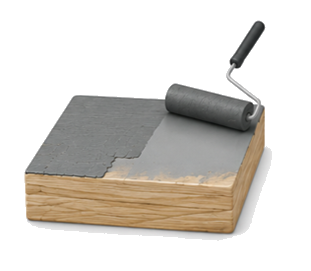
Apply a new protective system over the entire surface.
In short
With conventional paint, repairing means starting over: removing the old film down to bare wood, then protecting it again.
What you see on your shutter
Flaking, blisters, cracks and bare patches show that the film is damaged and no longer protects the wood properly.
SEEDS Linseed Oil Paint
Clean, then apply a fresh coat
Repairing means one more coat
The finish wears slowly at the surface, without flaking. Just clean, then apply a fresh coat: touch-ups blend in, with no stripping.
1
Worn finish
The surface becomes dull and dry over time.
2
Clean or sand if needed
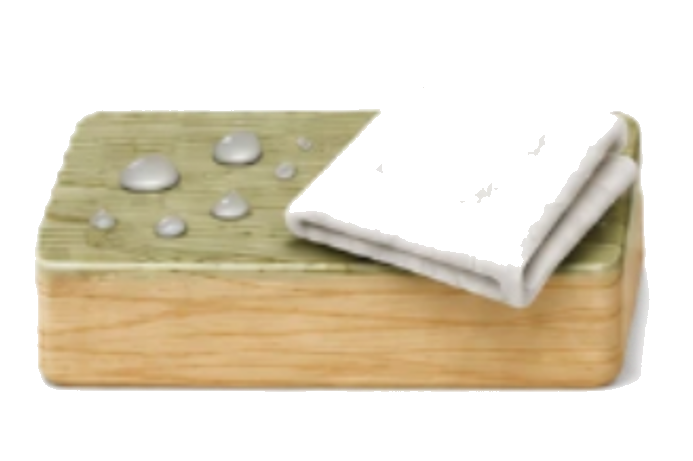
Clean the surface with water and a soft cloth. Lightly abrade if necessary.
3
Ready surface
The wood is clean, sound and ready to be nourished.
4
Apply another coat
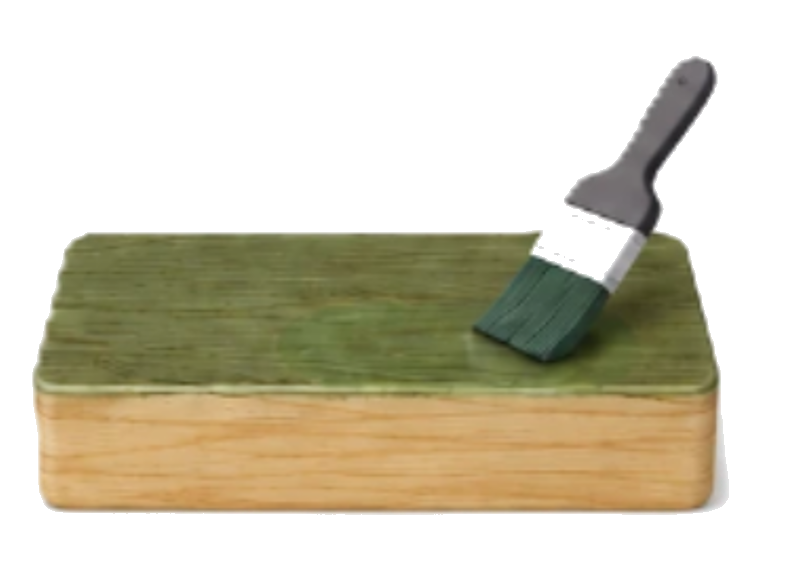
Apply a new coat of SEEDS linseed oil.
In short
With SEEDS linseed oil, there is no need to remove everything. A simple clean and a new coat are enough to restore beauty and protection.
What you see on your shutter
A matt, even surface that has developed a patina over time: this is normal. The oil wears at the surface, while the wood remains protected in depth.
At a glance
Conventional paint
SEEDS linseed oil
Hold on the wood
Film laid on the surface
Soaks in and saturates the fibres
Moisture
Trapped under the film → blisters
Permeable to vapour, impervious to water
Ageing
Cracking and flaking
Slow wear, light chalking around 10 years
Repair
Strip, sand, repaint everything
Clean and apply a fresh coat
Longevity
Frequent redos
15 years and more depending on exposure
SEEDS — a paint that enters the wood, lives with it and renews itself without starting over.
Manufacturer and building-conservation reference sources, consulted in May 2026.
Composition
Our linseed oil paint is crafted using traditional methods, with only the highest quality natural ingredients.
First-Press Linseed Oil
Cold-pressed to preserve all its qualities
Natural Pigments
Selected for their purity and longevity
Natural Driers
Optimized for controlled drying
Technical Characteristics
Dry Extract98-99%
Density1.5-1.6
VOC< 1g/L
Flash Point> 100°C
Stripping
Should you strip before painting?
At SEEDS, we consider stripping recommended — but not mandatory. Stripping back to a bare surface brings two benefits: linseed oil paint fully penetrates a sound surface, and the surface film no longer depends on an old coat that could, as it degrades, compromise the new paint. Applied over an existing paint, linseed oil will still do its protective work: its durability will simply remain at the mercy of whatever lies beneath.
A stripped surface lets the binder penetrate
On a bare, porous surface, the linseed oil binder saturates the pores and diffuses deep down. The paint soaks into the material instead of sitting on its surface: it anchors there durably — this is what makes the surface penetrable.
Linseed oil penetrating a stripped surface
A crack starts in the substrate, then rises to the surface
Don't depend on a fragile underlying coat
Problems most often come from the substrate or an old coat. Joinery expands and contracts. These movements are inevitable. Damage born deep down rises through the layers up to the surface paint: no film, however good, stops a movement coming from below. Stripping means starting from a sound, controlled base, no longer at the mercy of an underlying coat that could degrade the surface paint.
Key takeaway
Stripping is recommended but not mandatory. Linseed oil protects in every case; stripping maximizes its penetration and durability by removing the dependence on underlying coats.
Application
Surface Preparation
Clean, dry, and degreased surface
Careful sanding for a smooth surface
Complete dusting
Avoid application on damp surfaces
Application Conditions
Temperature
Between 1°C and 25°C
Relative Humidity
Maximum 65%
Exposure
Avoid direct sunlight
Application Method
Surface to paint
01
Diluted coat
On wood: diluted coat to aid penetration.
Paint + thinner
Drying time: 48-72h
— or —
01
Wood primer
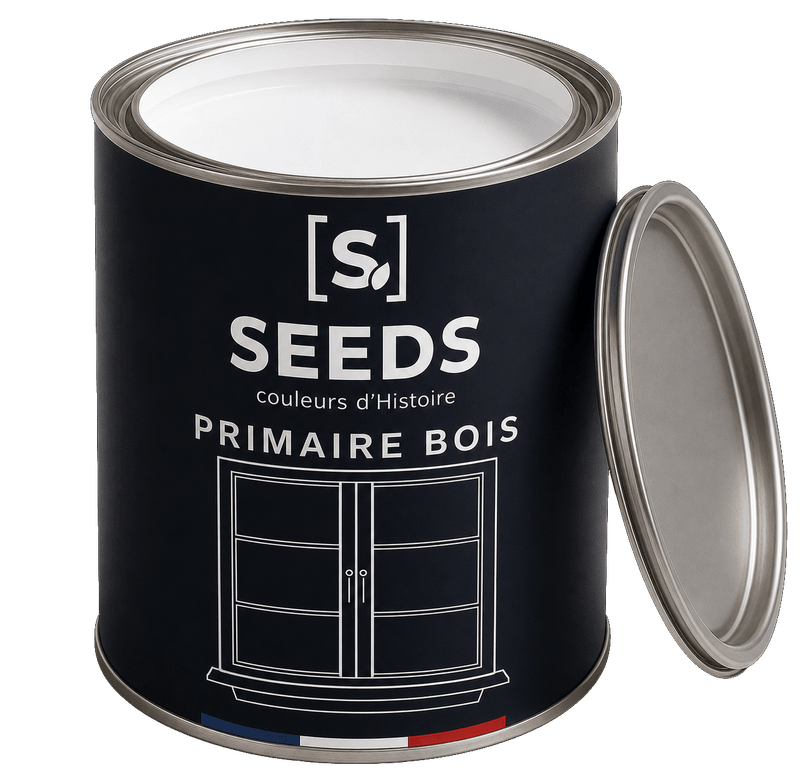
Primer for dense woods: BER, Red Cedar type.
Bois
Drying: 24h
02
Second Coat
Light sanding, then application along the wood grain
Drying time: 48-72h
+
Last coat
For maximum protection or a more satin finish
Drying time: 72h minimum
Drying Process
Dust-Free
Thin and even application, crossing strokes
Optimal at 20°C
Dry to Touch
24-48 hours depending on thickness
Ventilation recommended
Complete Drying
7-10 days for optimal hardness
Maximum protection
Usage Precautions
Our linseed oil paint is crafted using traditional methods, with only the highest quality natural ingredients.
Risk of Self-Ignition
Oil-soaked rags must be dried flat or submerged in water
Storage
Store in a cool, dry place, away from frost
Protection
Wear gloves and protective glasses during application
Technical Documentation
Maintenance
Because it penetrates the wood instead of forming a film, SEEDS linseed oil paint does not flake: it wears slowly at the surface. Upkeep therefore needs no stripping — just one more coat.
A clear coat
An untinted oil reactivates the existing pigments and re-nourishes the wood: ideal for regular upkeep, without changing the colour.
A fresh tinted coat
To revive the intensity or change the shade, simply apply a new tinted coat over the old one.
Before the maintenance coat
Ideally: a light sanding (keying) for a perfect bond.
At the very least: a simple clean of the surface (dust, dirt).
How long does a coat last?
Designed to last and to penetrate the wood, our paints still need upkeep: over time, abrasion and dust slowly wear the surface coat. Renewing it remains essential to preserve the protection — there is no single rule, the frequency depends on many factors.
If your woodwork is handled often, by the sea, exposed to harsh weather, wind or full southern sun, upkeep unfortunately needs to be more frequent — probably every 5 years.
What changes the frequency
SubstrateClimateHumidityUseExposureTemperature
8 – 10 yrsIn normal conditions
The average time before a coat needs renewing.
10+ yrsOur reference test
The surface painted during our very first tests is still holding, with minimal upkeep.
≈ 5 yrsIn harsh exposure
A gate hosed down by the council and exposed to limescale needs upkeep more often.
Discover our paint collections
Natural shades inspired by historic pigments, ready to enhance your project.